Darlene Wiley's pick · Updated November 2026
LightStim for Wrinkles
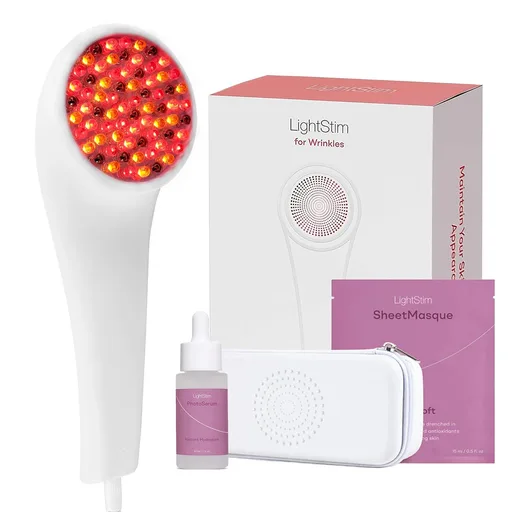

A red light therapy device like this may appeal most to someone who is comparing at-home skin care tools and wants a noninvasive option to research before committing to a routine. The product is positioned around fine lines, wrinkles, and a more youthful look, so the natural buyer here is someone already interested in cosmetic maintenance rather than a quick fix. It also makes more sense for a shopper who prefers a dedicated device over another cream or serum, especially if they like the idea of adding a step that sits outside the usual cleanser and moisturizer routine.
The main reason to consider it is the wavelength mix and the way the listing frames the LEDs. Multiple wavelengths can matter when a buyer is trying to sort through similar light devices, because the details often separate a basic panel from a more targeted design. The advertised coverage around skin rejuvenation and line reduction may also be enough to make it worth comparing against simpler beauty gadgets if you want something with a more specific use case. For a person who likes to read the technical side before buying, the LED count and wavelength range give them something concrete to evaluate.
The biggest thing to verify is what kind of time commitment and treatment routine the device actually asks for. Light therapy products often depend on regular use, and that can be a dealbreaker if someone wants a low-effort product they can forget about. It is also worth checking the shape of the device, how closely it needs to sit to the skin, and whether the design fits comfortably into a bathroom shelf, vanity, or travel routine. Those practical details matter as much as the headline claims.
Because there are no usage notes here, the right evidence posture is simple: treat this as a product to research, not one to assume will perform the way the listing suggests. FDA cleared is part of the listing, but shoppers should still read the exact clearance language and confirm what that means for the intended use. It would also be smart to look for the recommended session length, any eye protection guidance, and whether the device is meant for face only or broader areas. That gives you a more honest picture than the marketing copy alone.
This is probably best for someone who wants to compare cosmetic light therapy devices on technical features first and personal results second. It may also fit a buyer who is already disciplined about skin care and can stick with a repeated routine. If you want a clear-eyed way to think about it, start with the wavelength details, the treatment schedule, and the space it will take in your day. If those line up with what you want, then it is at least the kind of device that deserves a closer look.
Some Amazon links are affiliate links. Darlene Wiley may earn a commission from qualifying purchases at no extra cost to you. As an Amazon Associate I earn from qualifying purchases.
See current price