Darlene Wiley's pick · Updated November 2026
INIA FLARE 3-in-1 Microcurrent Facial Device Red Light Therapy
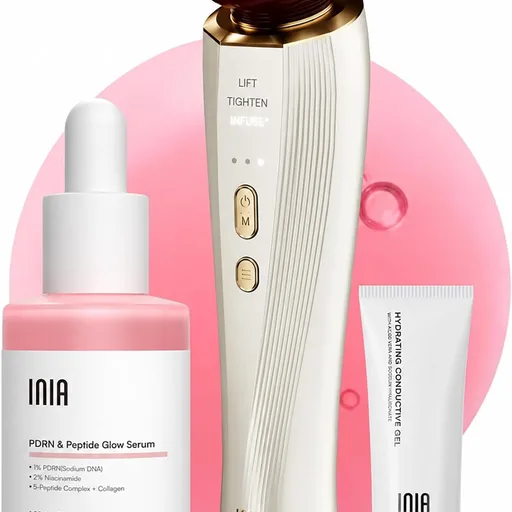

A 3-in-1 facial device like this is mainly for someone who is already comparing at-home skin tools and wants one unit that combines microcurrent and red light in a single routine. That kind of buyer is usually less interested in a quick impulse purchase and more interested in whether the device fits into a regular skincare schedule, how it feels in the hand, and whether the settings and attachments are simple enough to use consistently.
The main reason to consider it is the convenience of having multiple functions in one device. If a person is already using serums, moisturizers, or a step-by-step routine, a tool that brings together more than one treatment mode can be easier to keep in rotation than buying separate devices. A model that focuses on microcurrent and red light may appeal to readers who want a more structured at-home beauty tool and prefer to compare that option with salon visits or with doing nothing extra at all. For some shoppers, the appeal is not dramatic claims. It is the idea of a compact device that can sit on a bathroom shelf and be ready when they are.
The tradeoff to verify is whether the device matches the buyer's comfort level, routine, and expectations. Microcurrent tools are often discussed alongside skincare goals, but results and experience vary a lot depending on skin type, frequency of use, and whether the person follows the directions closely. It is also worth checking details that matter in day-to-day use, such as charging method, treatment time, head shape, intensity levels, and whether the size works well around the contours of the face. A device can look appealing on a product page and still be awkward if the controls are fussy or the session length does not fit the way someone actually gets ready in the morning or evening.
The evidence posture here is limited because there are no usage notes to ground a personal recommendation. That means the safest useful approach is to treat this as a category-level guide rather than a claim about proven results. A buyer should read the listing carefully, look for clear instructions, check whether the device is intended for the areas they want to focus on, and confirm any safety guidance before use. That is especially important with facial devices, where comfort, consistency, and correct use matter more than the marketing language around the product.
This may fit someone who wants an at-home beauty device with multiple functions and is willing to compare features before buying. It is less of a casual grab and more of a product for a shopper who wants to think through the routine first. If the goal is to add a device that can support a steady skincare habit without taking up much space, this could be a reasonable option to research further. If the buyer is looking for something simpler, they may want to verify whether they really need all three functions or whether a single-purpose tool would be the better fit.
Some Amazon links are affiliate links. Darlene Wiley may earn a commission from qualifying purchases at no extra cost to you. As an Amazon Associate I earn from qualifying purchases.
See current price